
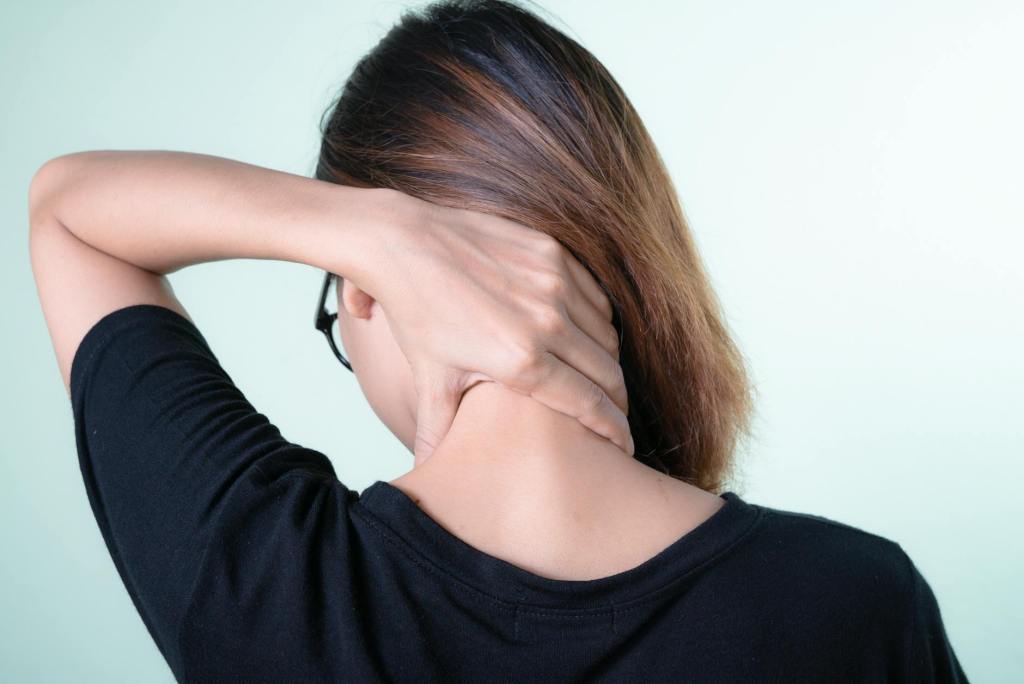
- Neck pain and headaches
- Common causes of neck pain
- Common symptoms of neck pain
- Neck pain and sleep hygiene
- Neck pain osteopathy treatments
Neck pain and headaches
Neck pain is a common cause of pain and can be quite painful and debilitating upto 80% of people are affected by them with women being more affected. While neck pain is widespread, it often leads to significant disability, medical costs, and decreased productivity.
The causes of neck pain are diverse, including spinal conditions, osteoarthritis, muscle disorders, and neurological diseases. Although the underlying biological mechanisms remain not fully understood, research shows a strong connection between neck pain and certain types of headaches, particularly migraines and tension-type headaches (TTH). These primary headache disorders are highly prevalent, with migraine affecting around 14% of people and TTH impacting about 38%. Together, they contribute to more years of disability than all other neurological conditions combined.
The relationship between neck pain and headaches is not fully clear, but neck muscle tension, nerve irritation, and poor posture are often contributing factors. Addressing neck pain through proper posture, osteopathy, or other treatments may help alleviate both neck discomfort and associated headaches. For those suffering from both conditions, understanding and managing neck pain may lead to better headache relief and improved quality of life.
Common causes of neck pain
Neck pain can result from several common causes, often linked to aging, posture, and injury.
- Osteoarthritis (OA): OA is a degenerative joint disease where the cartilage in the neck joints wears down, leading to pain, stiffness, and limited movement. Bone spurs may form, irritating nearby nerves and intensifying discomfort.
- Facet Joint Strain: The facet joints in the cervical spine can become strained due to poor posture, overuse, or trauma. This strain leads to localized pain, stiffness, and reduced range of motion.
- Disc Herniation: A herniated disc occurs when the soft gel inside a spinal disc presses on nearby nerves, causing neck pain and radiating sensations like numbness or tingling down the arm. This often results from trauma or repetitive strain.
- Muscular Strain: Overstretching or tearing neck muscles, typically due to poor posture, heavy lifting, or sudden movements, causes pain and spasms. It’s usually temporary and improves with rest and stretching.
- Cervicothoracic Joint Dysfunction: Misalignment or stiffness where the cervical and upper thoracic spine meet can lead to neck and upper back pain, often aggravated by poor posture or repetitive motions.
Osteopathy offers effective treatment by restoring alignment and alleviating discomfort through hands-on techniques.
Common symptoms of neck pain
Neck pain can present with a range of symptoms, varying in intensity and duration depending on the underlying cause. The most common symptom is, of course, pain in the neck, which can be dull, sharp, or aching. This pain may be constant or triggered by certain movements, such as turning the head or looking up or down.
In addition to pain, many people experience stiffness, making it difficult to move the neck freely. This is often accompanied by muscle spasms, where the neck muscles tighten involuntarily, causing further discomfort. These spasms can limit mobility and lead to a feeling of tension in the neck and shoulders.
Headaches are another common symptom, particularly with conditions like cervicogenic headaches, where the pain starts in the neck and radiates to the head. Numbness or tingling in the arms or hands can also occur if nerve roots in the neck are compressed or irritated, often due to a herniated disc or cervical stenosis.
Some individuals may experience shoulder pain or pain that radiates down the arms, indicating that the problem may involve the nerves or spinal discs. In severe cases, weakness in the arms or hands may occur, which may require medical attention. Identifying the specific symptoms can help guide treatment for effective relief.
Neck pain and sleep hygiene
Neck pain and sleep hygiene are closely linked, as improper sleep posture or inadequate support during sleep can contribute significantly to neck discomfort. One of the most common causes is poor sleeping posture. Sleeping with the neck at an awkward angle, such as on a pillow that is too high or too flat, can strain the muscles and ligaments in the neck, leading to stiffness and pain upon waking.
The type of pillow used also plays a crucial role. Pillows that don’t provide adequate support for the neck’s natural curvature can put strain on the cervical spine, leading to tension and discomfort. A pillow that is too firm or too soft may also exacerbate neck pain.
Sleep positions themselves are important factors. Sleeping on the stomach, for example, forces the neck to rotate to one side for extended periods, straining the muscles and joints. Sleeping on the back or side with improper neck alignment can also contribute to pain.
Improving sleep posture and choosing the right pillow can help to alleviate neck pain and ensure better quality rest and pain relief.
Neck pain osteopathy treatments
Osteopathic treatment for neck pain focuses on the musculoskeletal system, aiming to alleviate discomfort, improve function, and promote healing. Osteopaths use a hands-on approach, addressing the underlying causes of neck pain rather than just masking symptoms. The treatment may involve a combination of osteopathic manipulative techniques (OMT), stretching, massage, and joint mobilization to restore balance and alignment in the neck and surrounding muscles.
One common technique used is myofascial release, which targets tight muscles and connective tissues to reduce muscle spasms and tension. Osteopaths may also perform gentle spinal manipulations to improve the range of motion in the cervical spine, relieve pressure on nerves, and reduce inflammation.
In addition to manual techniques, osteopaths may guide patients on posture correction and ergonomic adjustments to prevent further strain on the neck. Lifestyle advice, such as stress reduction and exercises to strengthen the neck muscles, is often included in treatment plans. Osteopaths take a holistic approach, considering the patient’s overall health, posture, and daily habits.
The goal of osteopathic treatment is to promote natural healing, reduce pain, and restore function to the neck, providing long-term relief. By addressing the root cause of neck pain, osteopathy offers a non-invasive alternative to traditional treatments.
To book an appointment use this link:
 Barry & Vale Osteopaths
Leave a comment