
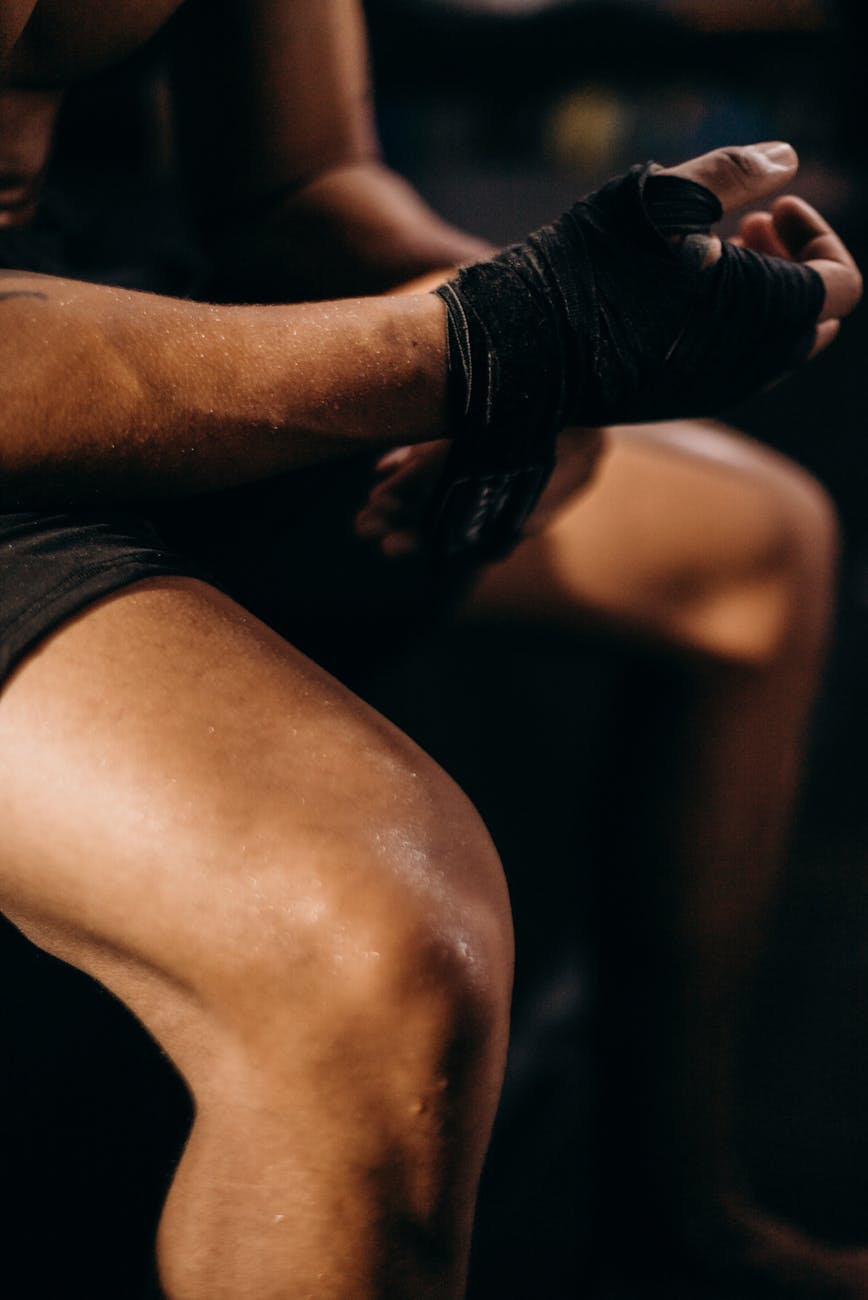
Common symptoms of knee pain
Knee pain can present with a variety of symptoms, depending on the underlying cause. One of the most common symptoms is pain, which can range from a dull ache to sharp, intense discomfort. The pain may be constant or only occur during specific activities, such as walking, climbing stairs, or kneeling.
Swelling is another frequent symptom, particularly after injury or inflammation. The knee may appear puffy or feel tight, and swelling can make it difficult to fully extend or bend the knee. This swelling may be due to fluid accumulation within the joint or surrounding tissues.
Stiffness is often associated with knee pain, making it hard to move the joint freely. This is especially common with conditions like osteoarthritis or after prolonged periods of inactivity. Stiffness may improve with movement or warm-up but can worsen after rest.
Some individuals may experience instability or weakness, where the knee feels like it might “give way” or collapse during movement. This is common with ligament injuries, such as an ACL tear, or when there is damage to the cartilage.
Crepitus, or a grinding sensation, may also occur, particularly with conditions like arthritis or meniscus tears. This is the feeling of roughness or popping when the knee moves.
Common causes of knee pain
Knee pain can arise from various causes, ranging from injuries to underlying medical conditions. One of the most common causes is osteoarthritis, a degenerative condition where the cartilage in the knee joint breaks down over time. This leads to pain, swelling, and stiffness, especially in older adults.
Ligament injuries are another frequent cause, particularly among athletes. The anterior cruciate ligament (ACL) and medial collateral ligament (MCL) are commonly injured during activities that involve sudden movements or twisting motions. These injuries can cause pain, swelling, and instability in the knee.
Patellar tendinopathy, also known as “jumper’s knee,” is a condition that results from overuse, typically in athletes who perform repetitive jumping activities. The tendon connecting the kneecap to the shinbone becomes inflamed, causing pain at the front of the knee.
Meniscus tears are also common, particularly in older adults or those who engage in activities that involve deep knee bending or twisting. A tear in the cartilage of the knee can cause sharp pain, swelling, and difficulty moving the knee.
Other causes of knee pain include bursitis (inflammation of the fluid-filled sacs around the joint), patellofemoral pain syndrome (pain around the kneecap), and gout (a form of arthritis caused by uric acid crystals). Identifying the underlying cause is crucial for effective treatment and pain management.
Knee pain while running
Knee pain is a common complaint among runners, as the repetitive motion and high-impact nature of running can place significant strain on the knee joints. One of the primary causes of knee pain in runners is patella maltracking, often referred to as “runner’s knee.” This condition occurs when the patella (kneecap) doesn’t track properly along the femur, leading to pain and discomfort in the front of the knee. This misalignment is often exacerbated by repetitive bending and straightening during running.
Meniscus tears and ligament injuries, such as ACL strains, are also linked to running, particularly in long-distance runners or those who run on uneven terrain. These injuries typically occur from sudden twisting movements or improper running form.
Improper footwear, poor running technique, or an abrupt increase in mileage can also contribute to knee pain by putting excess stress on the joint. To prevent injury, runners should focus on proper technique, wear appropriate shoes, and gradually increase training intensity. Stretching and strengthening exercises can help support knee health and reduce pain.
Knee pain at night
Knee pain often worsens at night for several reasons, largely related to body position, decreased activity, and physiological changes during sleep. One key factor is that during the day, movement and activity can help keep the knee joint lubricated and muscles engaged, which reduces stiffness. However, when lying down to sleep, the knee remains in a stationary position for an extended period, leading to stiffness and discomfort. This lack of movement can cause increased pain, especially for individuals with conditions like arthritis or bursitis.
In addition, fluid accumulation in the knee joint can occur when resting, especially after a day of walking or standing. The reduction in movement causes fluids to pool, increasing pressure within the joint and exacerbating pain. This is particularly true for those with inflammatory conditions like rheumatoid arthritis, where inflammation is more pronounced at night.
The body’s natural circadian rhythms also play a role. Inflammatory markers in the body tend to increase during sleep, leading to heightened pain and discomfort during the night. Moreover, many people lie in positions that place more pressure on the knee, further intensifying the pain.
Knee pain in women
Knee pain is common in women, and several factors contribute to this heightened susceptibility. Anatomical differences between men and women play a significant role. Women generally have a wider pelvis, which affects the alignment of the lower extremities, placing more stress on the knees. This increased angle at the knee joint can lead to increased wear and tear on the cartilage, increasing the risk of conditions like patellofemoral pain syndrome (runner’s knee) and osteoarthritis.
Hormonal fluctuations also contribute to knee pain in women, particularly during pregnancy and menopause. The hormone relaxin, which increases during pregnancy, causes the ligaments around the knee to become more relaxed and less stable, which can lead to injury and discomfort. During menopause, a drop in estrogen can contribute to weakened bones and cartilage, increasing the likelihood of conditions like osteoarthritis.
How osteopathy can relieve knee pain
Osteopathic treatment for knee pain focuses on addressing the root causes of discomfort rather than just masking symptoms. Osteopaths use a holistic approach that combines hands-on techniques with a comprehensive evaluation of the body’s structure and function. Knee pain can result from various factors, including injury, misalignment, muscle imbalances, or joint degeneration. Osteopathic treatments aim to restore balance and promote healing in the affected area.
Osteopaths use a range of techniques to positively affect tissue such as gentle stretching, massaging and high velocity thrust techniques to affect the structures around the knee. This can improve mobility, reduce muscle tension, and enhance circulation, all of which help to alleviate pain and speed up recovery.
Osteopaths may also work on the surrounding structures, including the hip, pelvis, and lower back, since these areas can influence knee function and contribute to pain. For example, misalignment in the pelvis can lead to uneven gait or strain on the knee joint. By correcting these imbalances, osteopaths can help reduce stress on the knee and promote better overall movement.
In addition, osteopathic treatment often includes advice on posture, strengthening exercises, and stretches tailored to improve knee function and prevent future injury. This holistic approach offers an effective, non-invasive alternative for managing knee pain and improving mobility.
How exercise can help knee pain
Exercise can be a highly effective way to manage and reduce knee pain, as it helps strengthen the muscles around the knee joint, improve flexibility, and promote better overall function. One of the primary benefits of exercise is strengthening the muscles, particularly the quadriceps, hamstrings, and calves, which provide support and stability to the knee. Strong muscles can help alleviate pressure on the knee joint and reduce pain caused by conditions like osteoarthritis or patellar tendinitis.
Low-impact exercises are ideal for those with knee pain, as they minimize stress on the joint while still providing benefits. Activities such as swimming, cycling, and walking can improve cardiovascular health and maintain joint mobility without exacerbating pain. These exercises help keep the knee joint flexible and reduce stiffness.
In addition to strengthening and mobility, exercises that focus on balance and stability can also be helpful, especially for individuals with knee instability or weakness. Exercises like leg raises, step-ups, and squats (performed correctly) can improve overall knee function and prevent further injury.
Stretching exercises that target the quadriceps, hamstrings, and calves can increase flexibility, reduce muscle tension, and help maintain proper alignment in the knee joint. Overall, regular exercise tailored to the individual’s specific needs can significantly alleviate knee pain and improve quality of life.
To book an appointment use this link:
 Barry & Vale Osteopaths
Leave a comment