
Menopause is a significant life transition for women, marking the end of the reproductive years and a range of physical and emotional changes. While it can bring about challenges such as hot flashes, sleep disturbances, mood swings, and hormonal shifts, there are several ways to enhance wellness and health during this stage of life. Prioritizing self-care and adopting a holistic approach to health can make a world of difference in navigating menopause with greater ease.
1. Stay Active with Regular Exercise
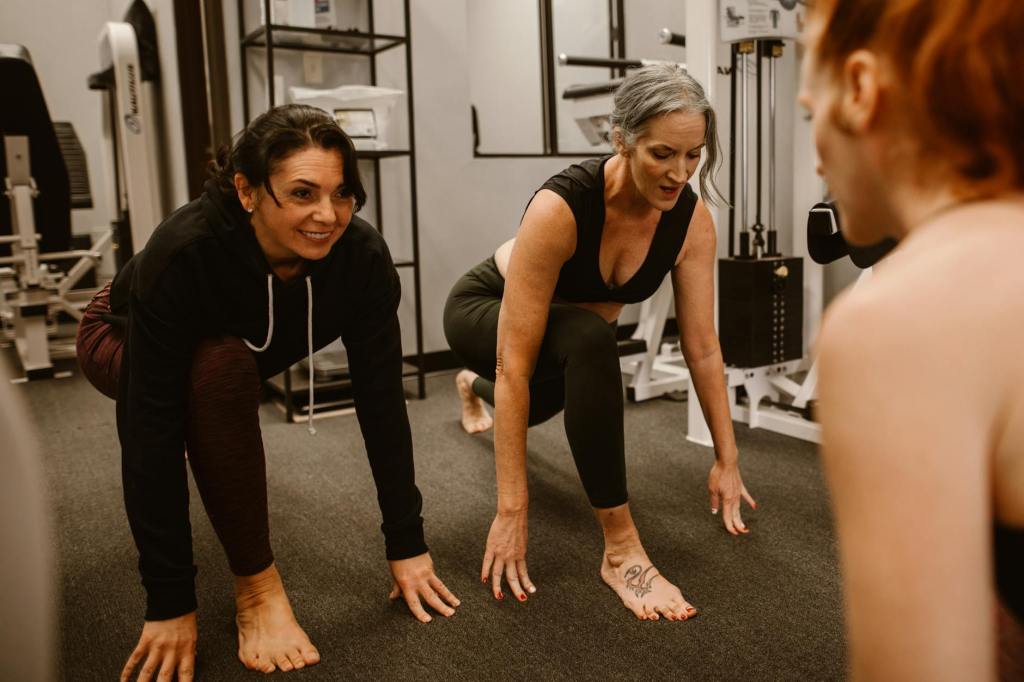
Exercise is one of the most effective ways to manage menopausal symptoms. Physical activity helps regulate hormones, improve mood, and boost energy levels. It also supports cardiovascular health, bone density, and muscle mass, which can decrease during menopause due to hormonal changes. A combination of aerobic exercises, such as walking, swimming, or cycling, along with strength training and flexibility exercises, is ideal for maintaining overall wellness. Yoga and Pilates can be particularly beneficial in reducing stress and promoting flexibility, which may help with joint discomfort.
2. Nourish Your Body with a Balanced Diet
A balanced, nutrient-dense diet plays a vital role in managing menopause symptoms. Focus on consuming whole foods, including plenty of fruits, vegetables, lean proteins, whole grains, and healthy fats. Calcium-rich foods, such as dairy, leafy greens, and fortified plant-based options, are essential to support bone health, as the risk of osteoporosis increases during menopause. Incorporating foods rich in phytoestrogens, like soy, flaxseeds, and legumes, may also help alleviate symptoms like hot flashes. Limiting processed foods, sugar, and caffeine can help prevent mood swings and improve sleep.
3. Prioritize Sleep and Stress Management
Hormonal changes during menopause can lead to disrupted sleep patterns, which can affect mood, cognitive function, and overall health. It’s important to create a relaxing bedtime routine that promotes restful sleep. Avoiding stimulants like caffeine or alcohol before bed and maintaining a cool, dark sleep environment can aid in better rest. Additionally, incorporating stress management techniques like mindfulness, meditation, deep breathing, or journaling can significantly reduce anxiety and improve emotional well-being.
4. Stay Hydrated
Dehydration can exacerbate menopause symptoms such as fatigue, headaches, and hot flashes. Drinking enough water throughout the day is essential for maintaining energy levels and supporting the body’s natural detoxification processes. Herbal teas such as chamomile or peppermint may also have calming effects and can aid digestion.
5. Embrace Social Support
Menopause can sometimes feel isolating, but connecting with others who are going through similar experiences can provide comfort and valuable insights. Support groups, whether in person or online, can be a great resource for sharing tips and coping strategies. Additionally, maintaining strong relationships with family and friends is essential for emotional health during this time.
6. Consult Healthcare Professionals
Lastly, it’s important to work with healthcare professionals to tailor wellness strategies to your individual needs. Your doctor can help guide you on hormone replacement therapy (HRT), supplements, or other treatments that may alleviate menopause symptoms. Regular check-ups are crucial for monitoring bone health, cardiovascular health, and other potential concerns.
Menopause is a natural stage of life, and with the right mindset and lifestyle changes, it can be a time of renewal and empowerment. By embracing a holistic approach to wellness, menopausal women can enhance their quality of life, reduce discomfort, and enjoy better health during this transformative period.
Osteopathic care can be an invaluable tool in managing the physical and emotional challenges that accompany menopause. By using a combination of manual therapies and holistic lifestyle recommendations, osteopaths can help alleviate symptoms, enhance overall well-being, and support a smoother transition through this stage of life. If you’re experiencing discomfort or distress related to menopause, consulting an osteopath could be a beneficial step in creating a personalized plan for relief.
 Barry & Vale Osteopaths
Leave a comment