
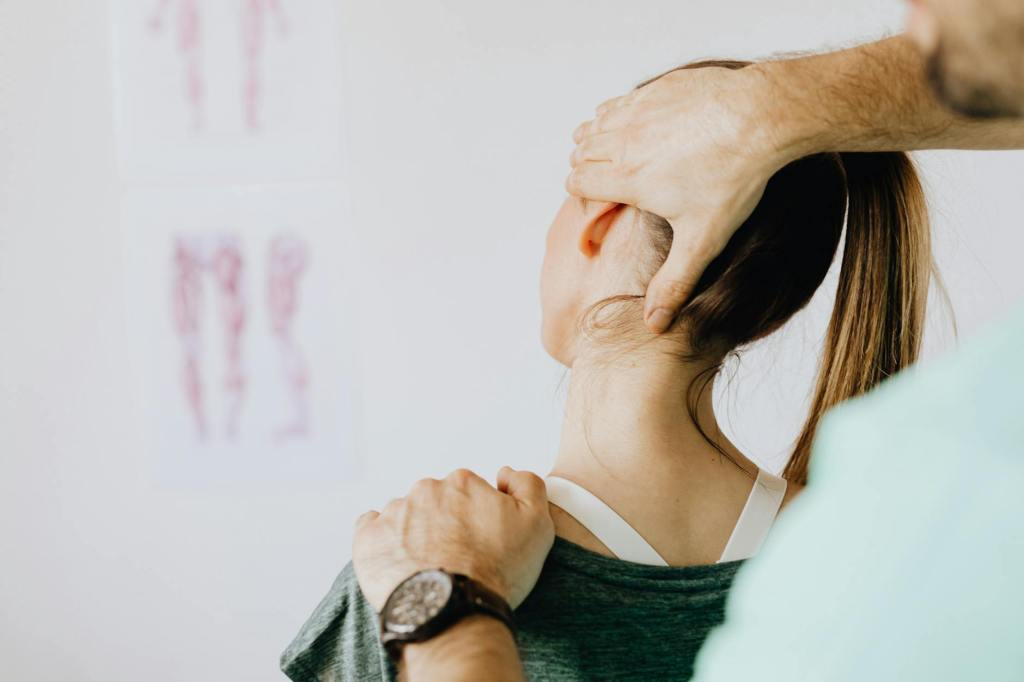
Neck pain is a widespread complaint, affecting people of all ages. Whether it’s from a sudden injury, poor posture, or a chronic condition, neck pain can significantly impact daily life. Five of the most common causes of neck pain include osteoarthritis, facet joint strain, disc herniation, muscular strain, and cervicothoracic joint dysfunction. Understanding these conditions can help in identifying the cause of pain and seeking appropriate treatment.
1. Osteoarthritis
Osteoarthritis (OA) is a degenerative joint disease that occurs when the cartilage that cushions the joints wears down over time. It leads to pain, stiffness, and decreased range of motion. OA can also cause bone spurs to form, which may irritate nearby nerves, contributing to additional pain and discomfort. It is a common condition in older adults, but can also be exacerbated by injuries or repetitive strain over time.
2. Facet Joint Strain
The facet joints are small, paired joints located between the vertebrae, providing stability and allowing for movement in the spine. Strain or injury to these joints can cause localized neck pain, often felt as a sharp or aching sensation. Facet joint strain can result from poor posture, overuse, or trauma. When these joints become inflamed or irritated, they can restrict the movement of the cervical spine, leading to stiffness and discomfort. Facet joint dysfunction is a clinical diagnosis that can be given by your osteopath. It is made based of symptoms, presentation and a physical assessment.
3. Disc Herniation
A disc herniation occurs when the soft, gel-like material inside a spinal disc budges against the tough outer fibers and presses on nearby nerves. This can happen in the cervical spine and cause significant neck pain, along with radiating pain, numbness, or tingling down the arm. Disc herniations can result from trauma or degeneration over time. This condition is commonly associated with activities that put strain on the neck, such as heavy lifting or sudden movements. The pain from a herniated disc can be sharp and may worsen with certain movements or prolonged sitting.
4. Muscular Strain
Muscular strain occurs when muscles are overstretched or torn, often due to sudden movements, lifting, or poor posture. The muscles of the neck and upper back are particularly prone to strain. This can lead to muscle spasms, which are painful and often limit movement. Strain from poor ergonomics, such as long hours at a desk or improper sleep posture, can also cause chronic discomfort. While muscle strain can be intense, it is typically temporary and improves with rest, ice, and stretching.
5. Cervicothoracic Joint Dysfunction
Cervicothoracic joint dysfunction refers to the dysfunction of the joints where the cervical spine meets the upper thoracic spine (the upper back). This area is particularly vulnerable to misalignment or stiffness, causing pain that can radiate from the neck to the upper back and shoulders. People with cervicothoracic dysfunction often experience restricted movement in the neck and discomfort when turning their head. Postural issues and repetitive motions can contribute to this type of pain.
Osteopathy can be highly effective in treating neck pain by addressing the underlying musculoskeletal imbalances that contribute to discomfort. Osteopaths use hands-on techniques like soft tissue massage, stretching, and joint manipulation to relieve tension and improve mobility in the neck. These treatments aim to restore proper alignment, increase blood circulation, and reduce muscle stiffness, helping to alleviate pain. Osteopathy also takes a holistic approach, considering factors such as posture, lifestyle, and stress, to create personalized treatment plans that promote long-term relief and prevent future issues. Whether the pain is caused by poor posture, muscle strain, or other factors, osteopathy provides a natural, non-invasive solution for managing and treating neck pain.
To book an appointment use this link:
 Barry & Vale Osteopaths
Leave a comment