
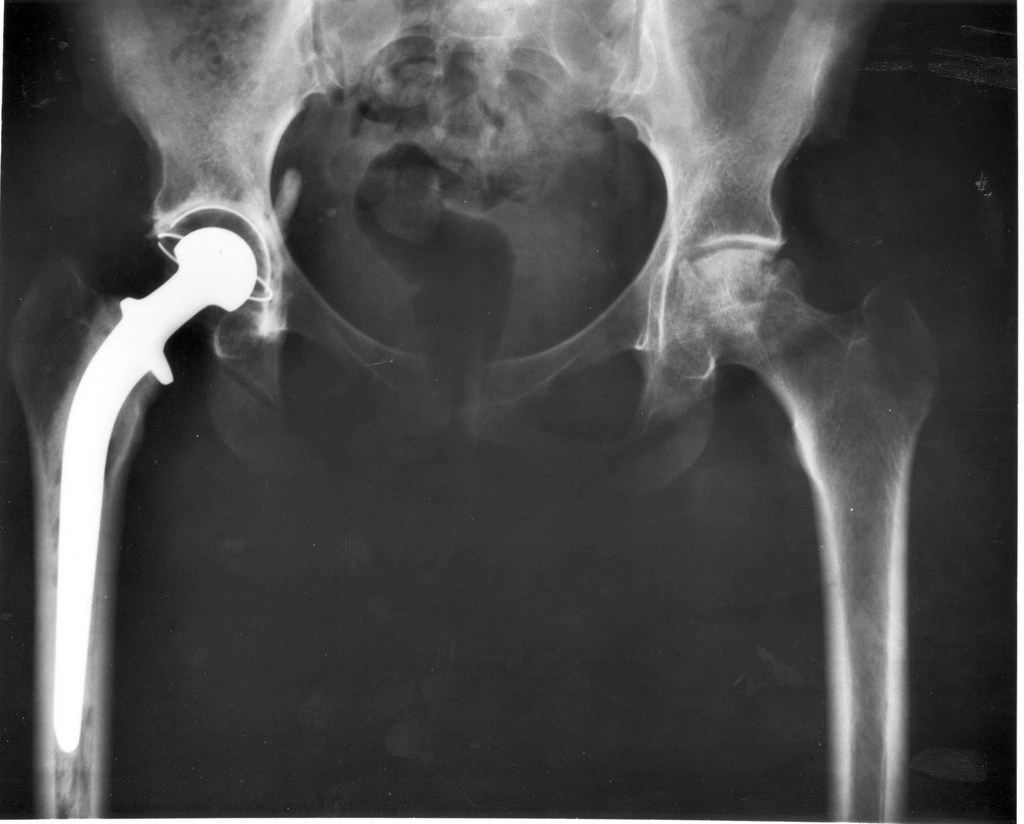
Osteoarthritis (OA) is the most common type of arthritis, it affects 263 million people with another 13 million being diagnosed yearly.
What is Osteoarthritis?
At its core, osteoarthritis is a disease that affects the joints. It happens when the cartilage that cushions the joints starts to break down, causing pain, stiffness, and swelling in the joint.
OA most often affects joints that bear weight, such as the knees, hips, and spine. OA can be mild, causing occasional discomfort, or severe pain.
Who Gets Osteoarthritis?
Osteoarthritis mainly affects older adults is is most often diagnosed between 65-75. It’s more common in women, especially after menopause. However young people can get it to, especially if they put their bodies under high pressure
What Causes Osteoarthritis?
OA is caused by a combination of genetic and lifestyle factors. Some common causes and risk factors include:
- Age: The older you get, the more likely you are to develop OA, as joints naturally wear down over time.
- Gender: Women are more likely to develop OA than men, particularly after menopause.
- Obesity: Extra weight puts more stress on joints, especially weight-bearing joints like the knees.
- Joint injuries: Previous injuries, such as those from sports, can increase the risk of OA in the affected joint.
- Overuse: Repeating the same motion over time, like kneeling or squatting, can wear down cartilage.
- Genetics: A family history of OA can increase your chances of developing the condition.
What Are the Symptoms of Osteoarthritis?
The symptoms of OA vary depending on the affected area. The most common symptoms include:
- Pain: OA pain is typically described as a dull ache that worsens with movement or activity. It’s often worse later in the day and improves with rest.
- Stiffness: Many people with OA feel stiff, especially after sitting for long periods or upon waking in the morning.
- Swelling: The affected joint may become swollen and feel warm to the touch.
- Limited Range of Motion: The joint might become harder to move as the condition progresses.
How Is Osteoarthritis Diagnosed?
OA is a clinical diagnosis and can be diagnosed without the use of imaging by your local osteopath or GP.
How Is Osteoarthritis Treated?
OA cannot be cured but it can be effectively managed. Treatment generally depends on the severity of the condition and the specific joint involved. Here are the common options:
Non-Medical Treatments
- Osteopathy: Osteopathy is an effective way of relieving the symptoms associated with OA. Osteopaths do this by relaxing painful muscles, improving joint ROM through mobilisation and through lifestyle and exercise plans personalised to the patient.
- Exercise: Physical activity helps to strengthen the muscles around the joint, which can provide more support and reduce pain. Low-impact activities like swimming or biking are often recommended.
- Weight Loss: Reducing excess weight can take pressure off the joints, particularly the knees and hips, and help relieve pain.
Medications
- Pain Relievers: Nonsteroidal anti-inflammatory drugs (NSAIDs), such as ibuprofen, may be used to reduce inflammation and pain.
- Injections: In more advanced cases, injections of corticosteroids can reduce inflammation and provide relief.
Surgical Options
When OA symptoms don’t improve with other treatments, surgeries like joint replacements and arthroscopies may be considered. This typically happens when the joint becomes severely damaged.
Conclusion
Osteoarthritis is a common but manageable condition. By understanding its causes, symptoms, and treatment options, you can take steps to reduce pain and stay active.
If you’d like to know more about OA or have expert local treatment for your osteoarthritis you can use my booking link. You’ll come into the clinic and I’ll take a comprehensive case history from you, perform multiple physical assessments, give you a diagnosis and lots of helpful treatment and a personalised exercise and rehabilitation plan.
 Barry & Vale Osteopaths
Leave a comment