
Osteopathy vs. Physiotherapy: Understanding the Differences
Both osteopaths and physiotherapists are manual therapy practitioners who aim to enhance well-being and reduce pain. While their ultimate goal is similar, there are key differences between the two in terms of philosophy, treatment methods, and overall approaches. Understanding these distinctions will help you determine which approach is most suitable for your needs.
Philosophical Differences
Osteopaths take a holistic view of their patients, considering not just the injury, but the individual’s lifestyle, posture, and overall health. They aim to identify and address the root causes of pain and discomfort, often looking at the body as an interconnected system. In contrast, physiotherapists typically focus on the specific area of the body that is injured, targeting localized treatment to help restore function and mobility.
Treatment Approaches
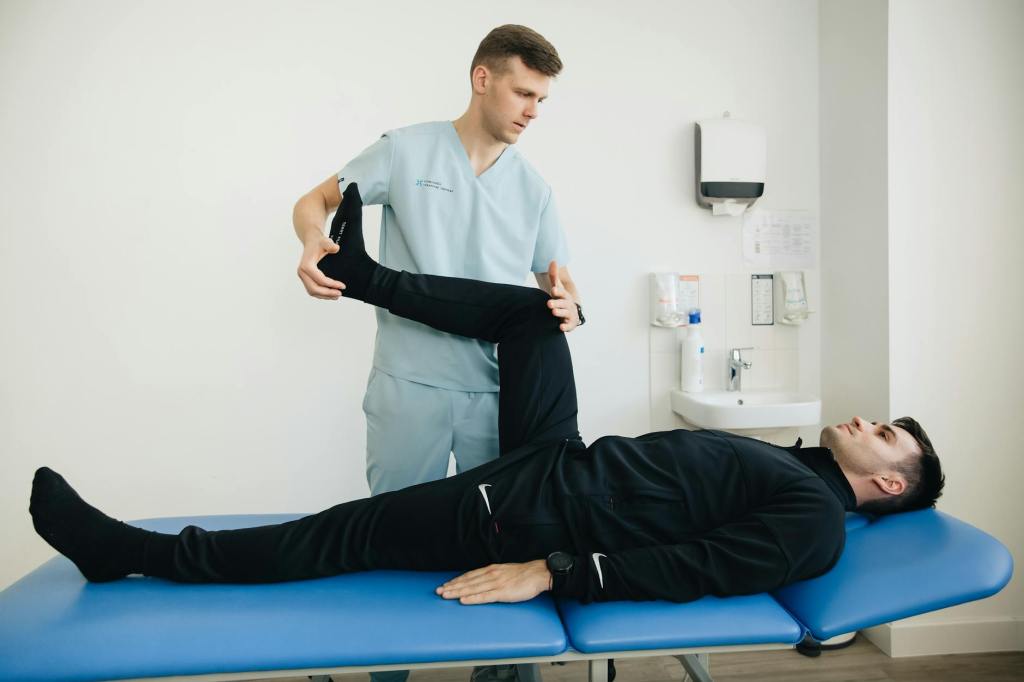
The treatment techniques used by osteopaths and physiotherapists also differ significantly. Osteopaths employ a variety of hands-on techniques, including joint mobilizations, manipulations, and soft tissue work, to correct imbalances and restrictions in the body. They also provide exercise and lifestyle advice to support recovery and long-term health.
Physiotherapists, on the other hand, tend to rely more on exercise-based treatments. While some physiotherapists may incorporate hands-on therapy, their primary focus is often on prescribing exercises to strengthen and rehabilitate the injured area.
Scope of Practice
Osteopaths typically work on a self-employed basis, managing every aspect of their patient’s care. They are responsible for assessing, diagnosing, and treating their patients independently. In contrast, physiotherapists often work within healthcare systems like the NHS, where they do not diagnose conditions themselves but instead follow a diagnosis provided by a doctor.
Why Choose Osteopathy?
Osteopathy might be the right choice for you if you prefer a more holistic, individualized approach to your health. Osteopaths create personalized treatment plans that consider not only your physical condition but also lifestyle factors and mental health.
When you visit an osteopath, they will take a detailed case history, perform comprehensive physical assessments, provide a diagnosis, and deliver hands-on treatment. In addition to physical care, they will offer guidance on exercise and lifestyle changes to promote long-term well-being. Osteopathy is designed to reduce pain, improve function, and help you return to doing the activities you love.
 Barry & Vale Osteopaths
Leave a comment